
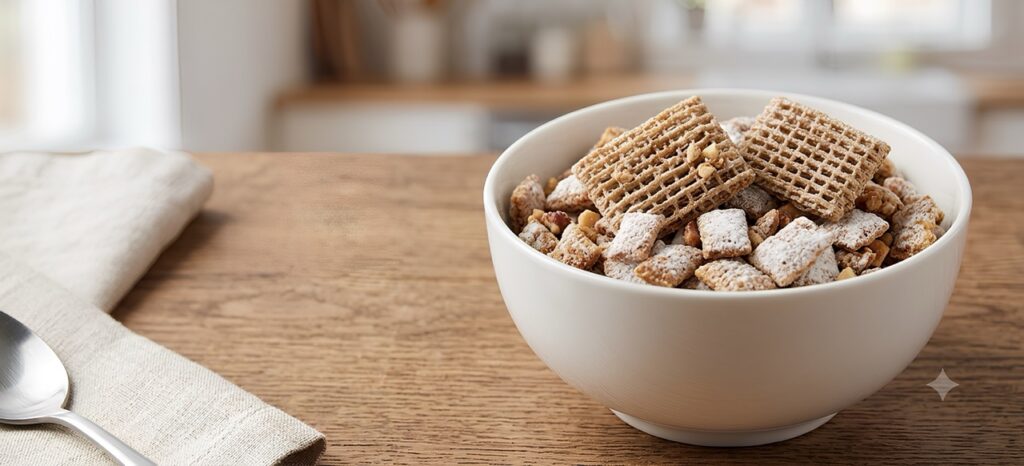
Breakfast cereal applications
Shredded cereal manufacturing
technologies
Hillenbrand Food, Health & Nutrition delivers fully integrated solutions for shredded cereal production, covering every stage from ingredient handling and cooking to forming, shredding, toasting, and coating. Our processing technologies help breakfast cereal manufacturers improve efficiency, protect product structure, and consistently produce high-quality shredded cereals at scale.
Distinctive shredded cereals start with controlled layering
Shredded cereal production is all about building structure from cooked grains. Through careful control of cooking, drying, and shredding, manufacturers can create light, layered cereal textures with a distinctive bite and appearance. Each stage plays a role in shaping how the final layers hold together and how the product performs after baking.
Unlike flaked cereals, shredded products are formed by passing cooked grains through contra rotating shredding rolls, where they are pressed into thin sheets. These sheets are then layered on top of each other, gradually building structure and texture. Depending on the recipe, single ingredient grains such as wheat, corn, oat, rice, or bran can be used, supporting both traditional and health focused product positioning.
What makes shredded cereals flexible is the layering process itself. Multiple webs can be combined to create different textures, from lighter multi-layer cereals to more compact, structured bites. In some cases, fillings such as fruit or chocolate can be added between layers to create additional variety and taste experiences.
Integrated processing solutions for shredded cereal manufacturing
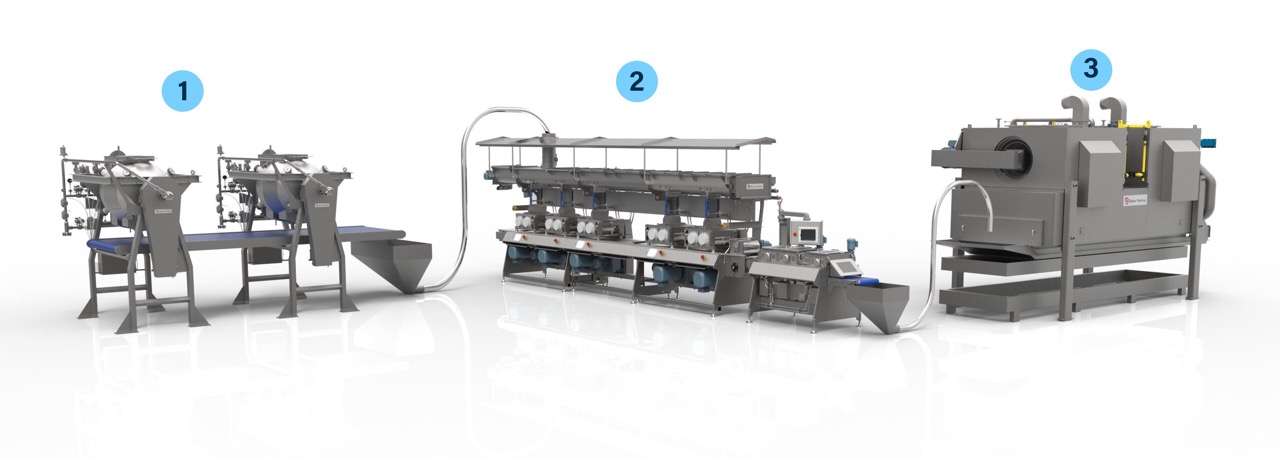
A complete shredded cereal line brings cooking, drying, shredding rolls, and toasting together into one continuous process. This helps maintain steady product flow while keeping control over sheet formation and layering consistency.
By connecting each stage, manufacturers can produce a wide range of shredded cereal formats with reliable structure, consistent texture, and the flexibility to develop both simple and filled products as market demand evolves.
The technology brands behind our shredded cereal solutions





Examples of innovative shredded cereal applications
Bring a wide range of shredded cereal products to market, from shredded wheat biscuits and malted wheat squares to multi-layered wheat, corn, and rice cereals, as well as shaped or filled cereal snacks. With integrated processing technologies and application expertise, Hillenbrand Food, Health & Nutrition helps food manufacturers achieve consistent quality, reliable performance, and flexible production.
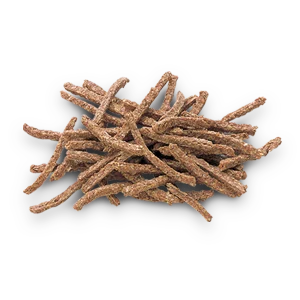
Bran sticks
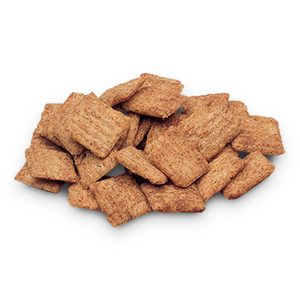
Cinnamon squares
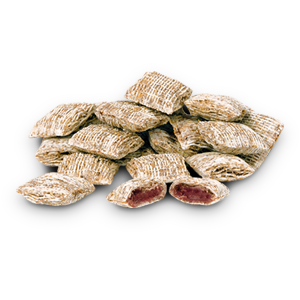
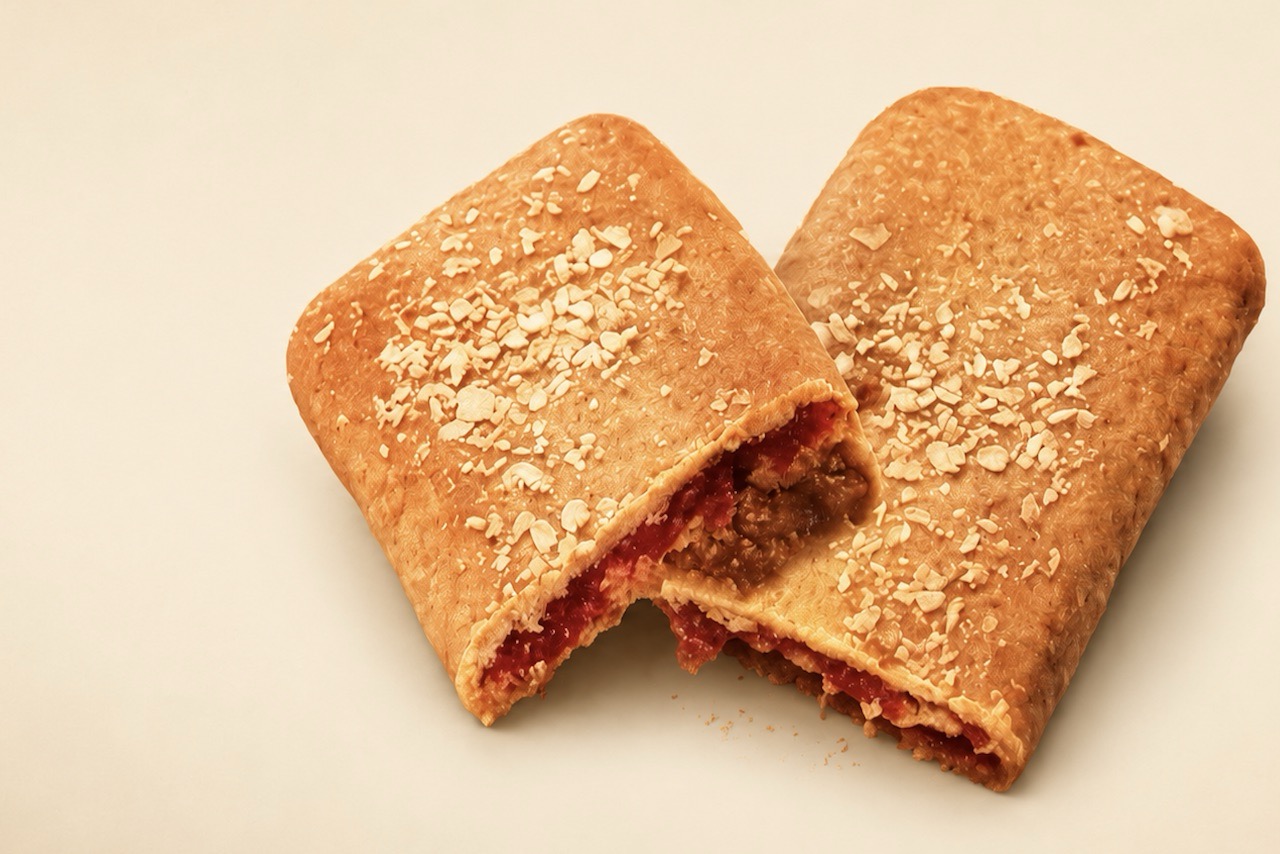
Filled shredded squares
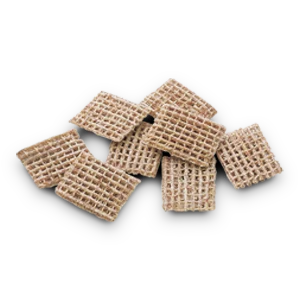
Malted shredded squares
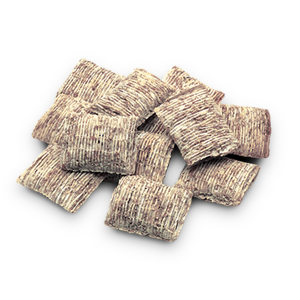
Mini shredded wheat
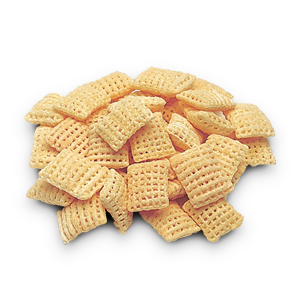
Puffed shredded squares
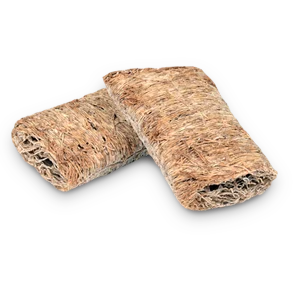
Shredded wheat
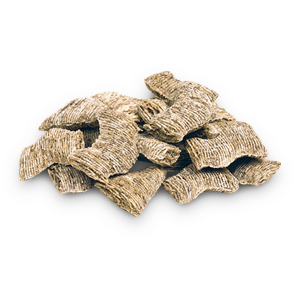
Shredded wheat shapes
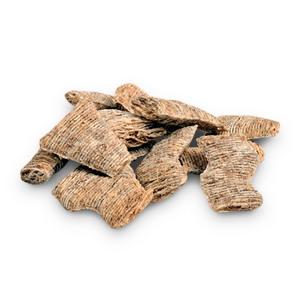
Wheat & rye shredded multigrain
How shredded cereal production works
Ingredient handling
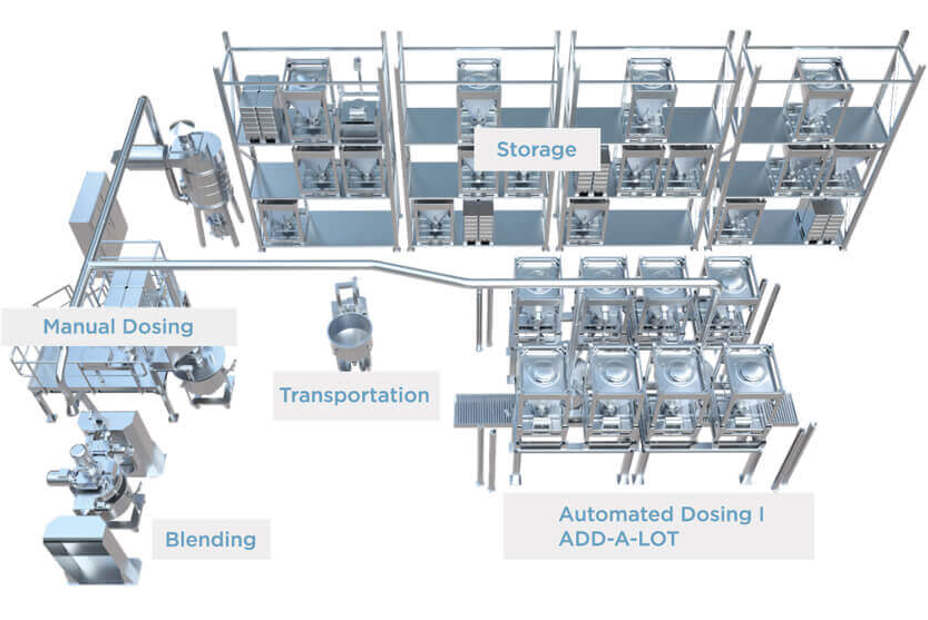
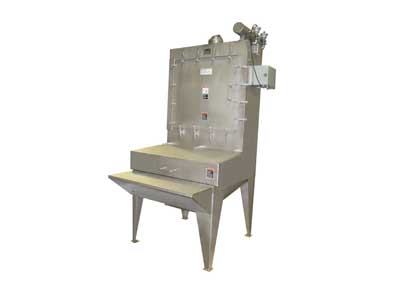
The Shick Esteve Bag dump stations provide a safe, dust-free way to manually add dry ingredients.
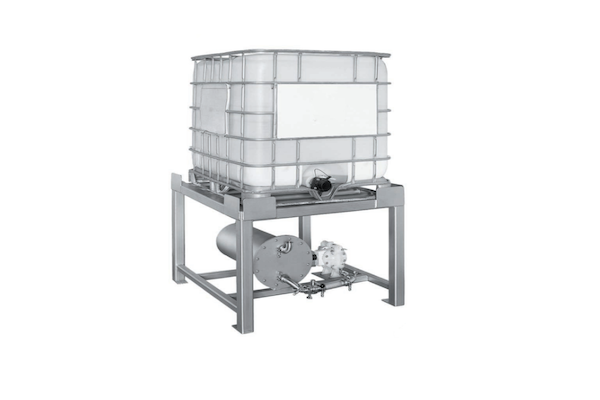
Liquid ingredients, such as glucose, are temporarily stored in our Shick Esteve Tank systems, or Tote systems, and then delivered through pumps.
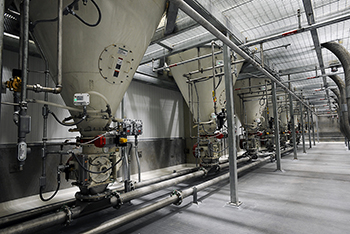
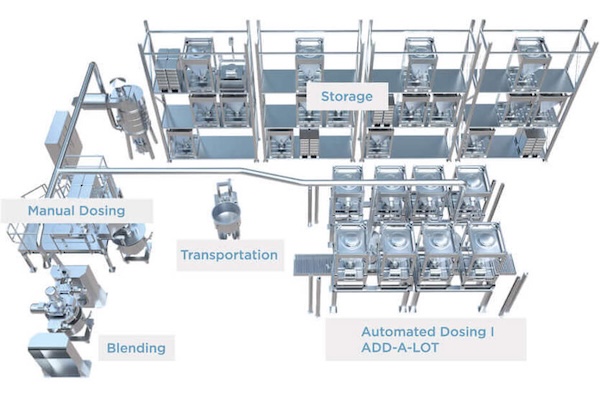
For automated ingredient handling and recipe preparation, Our MIH systems enable precise ingredient dosing, process documentation, and batch traceability to support consistent product quality.
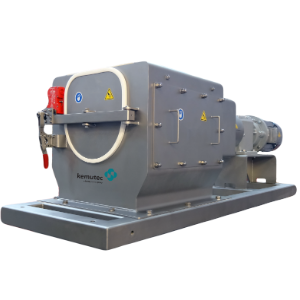
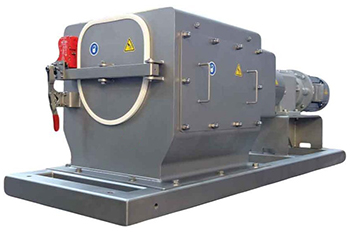
To support a smooth and continuous process, Kemutec KEK-lump breaker removes agglomerates to ensure a consistent feed into the cooker.
Cooking, drying, and tempering
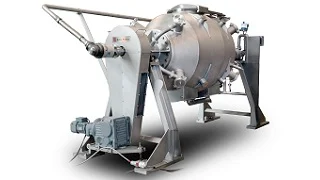
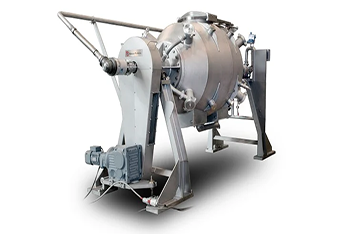
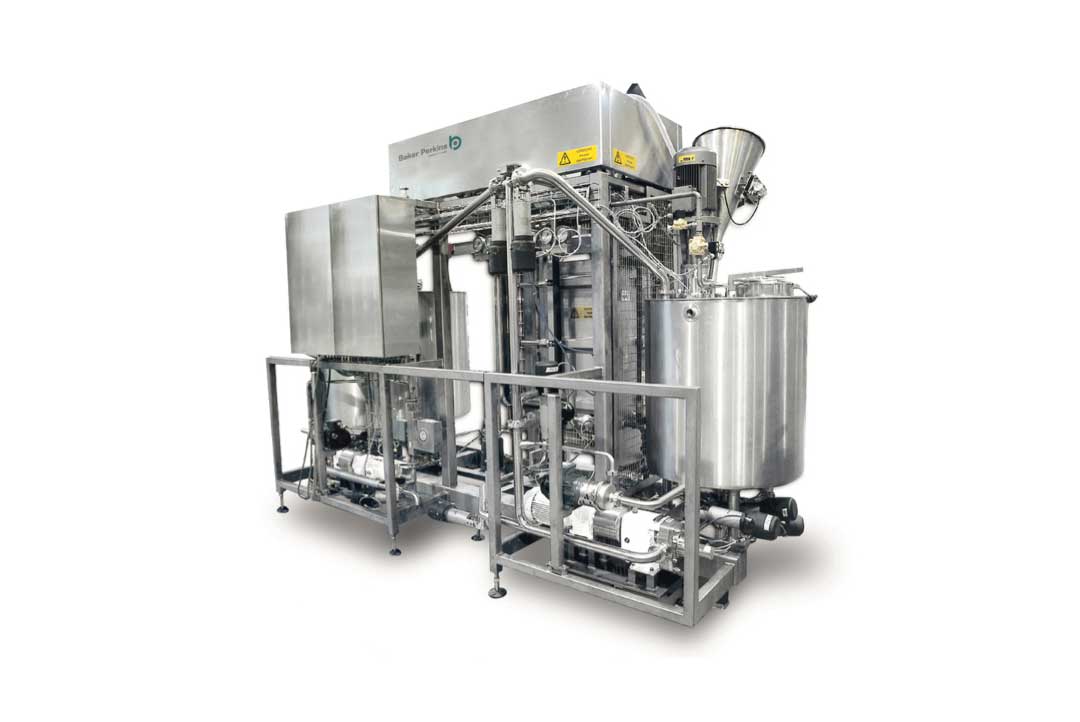
Gentle steam cooking of cereal grains in Baker Perkins Cook Master™ rotary cereal cooker helps preserve the natural texture, flavor, and nutritional qualities of the raw ingredients while preparing them for the shredding process. Controlled cooking ensures the grains are evenly conditioned without losing their ability to form stable sheets in the next stage.
After cooking, the grains are dried and tempered to reach the correct moisture level. This conditioning step is critical for achieving clean sheet formation and consistent layering during shredding.
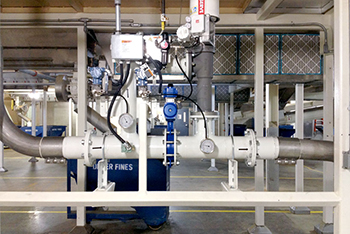
Our EDIP conveying systems, together with E-Finity technology, gently transfer the product between processing stages to minimize product damage.
Once conditioned, the grains are ready for the shredding rolls, where they are formed into thin sheets and built into layered shredded cereal structures.
Forming
The cereal moves into the forming stage, where structure and texture are created.
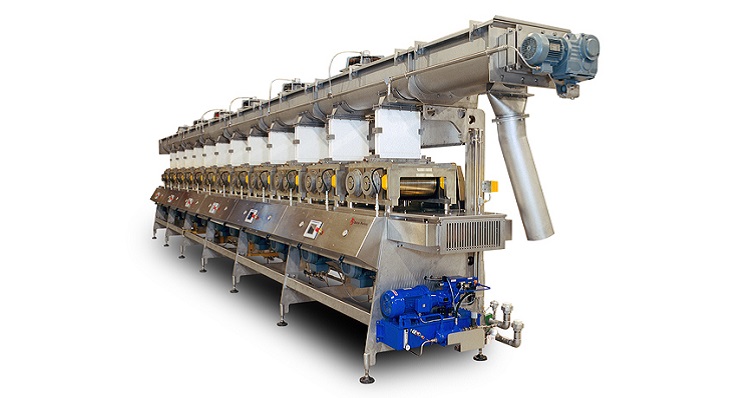
Using Baker Perkins Shred Master™ systems, cooked grains are gently formed into very thin sheets by passing them between pairs of contra-rotating rolls. These sheets are then built up layer by layer, with multiple webs laid on top of each other to create a multi-layered structure. Depending on the product, up to 20 layers can be combined, and fillings such as fruit or chocolate can also be added between layers to create additional variety.
Once the structure is formed, the product moves into the baking stage, where moisture is carefully removed and texture is developed.
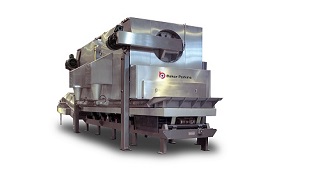
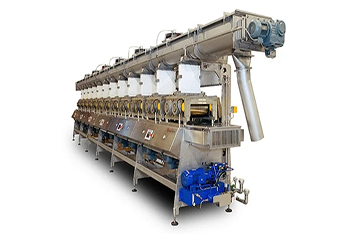
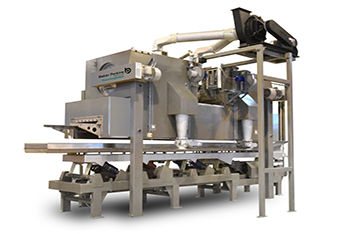
Baker Perkins Thermoglide2™ toaster then gently dries and toasts the shredded cereal using controlled heat and air cushioning. The product is lifted and rotated in a stream of air, allowing even heat distribution with minimal breakage. Integrated dust extraction supports a clean and efficient process while helping maintain product quality throughout baking.
This combination of precise forming and controlled toasting ensures consistent structure, texture, and crispness in the final shredded cereal product.
Frosting, glazing and coating
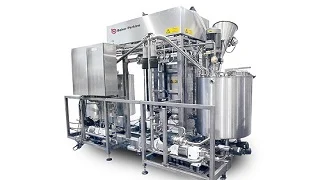
At this stage, syrup, frosting, or glazing is applied to enhance flavor, appearance, and product variety in shredded cereal products. Baker Perkins Syrup coating systems provide fully automated application with precise control, ensuring consistent coating across different shredded cereal formats. The system can operate in both sugar and sugar-free modes, allowing flexible production and simple changeovers.
To maintain uniform coating, weighbelts and vibratory feeders regulate product flow before the product moves to final cooling and packaging. The system can also be expanded as production requirements evolve, supporting a wider range of coated shredded cereals without replacing the existing line.
See shredded cereal production in action
Discover how our solutions can enhance your shredded cereal production
Watch the shredded cereal production process and see how Hillenbrand Food, Health & Nutrition’s solutions help breakfast cereal manufacturers improve efficiency, maintain product quality, and achieve reliable performance at every stage.
Alternatively, watch this on YouTube
Related process technologies
Related applications
Get in touch
We take a distinctive approach to the processes that drive manufacturing. Let us know how we can help you achieve your goals for efficiency, productivity and safety.