
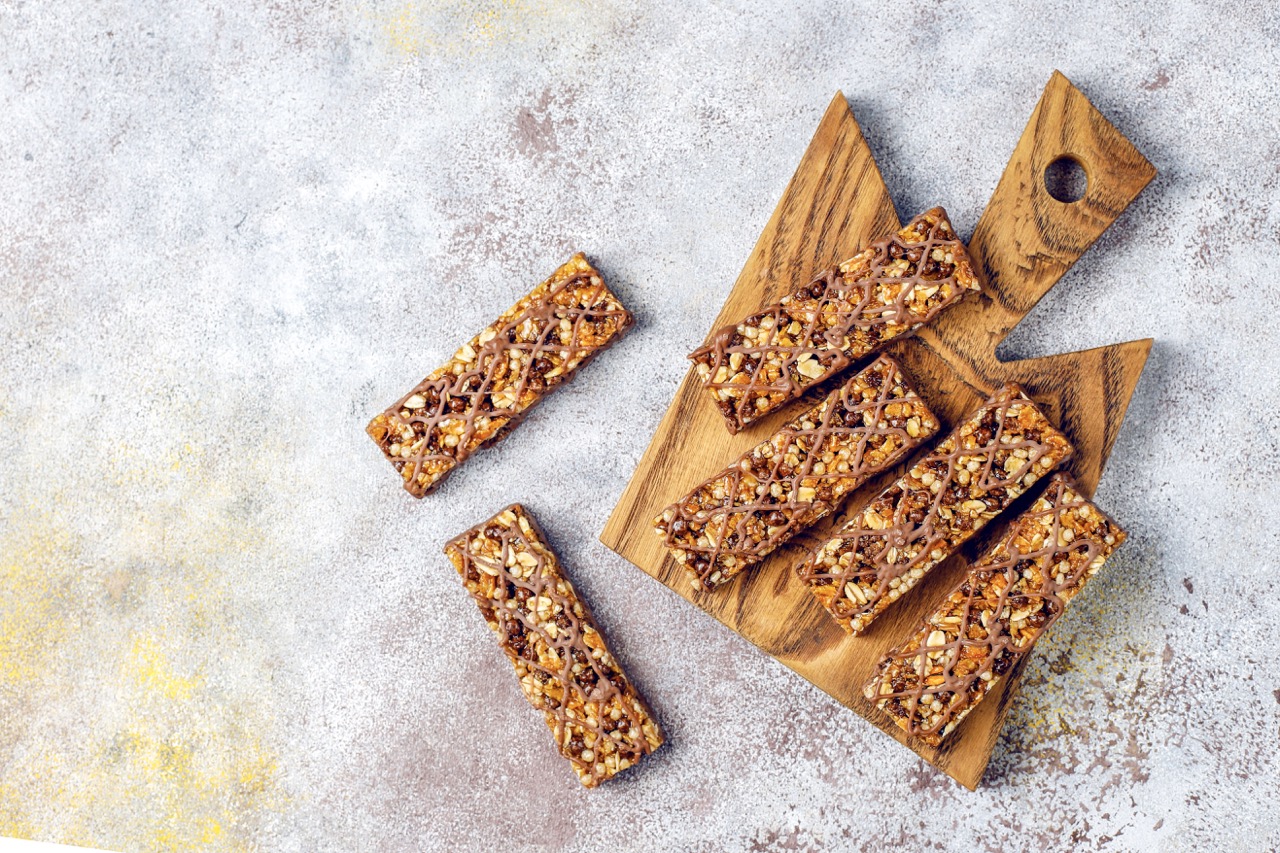
Snack applications
Crunchy granola bar manufacturing technologies
Coperion offers fully integrated crunchy granola bar production systems designed to deliver consistent structure, precise forming, and reliable high-throughput performance.
Engineered crunchy granola bar production line solutions for baked bar products
Getting the right balance between mixing, compression, and baking is essential in crunchy granola bar production. It determines whether a bar holds together, delivers a clean, sharp bite, and remains stable through packaging and transport.
Unlike softer, cold-formed bars, crunchy granola bars rely on controlled compression and baking to create a denser, more structured product. This approach not only defines the final texture but can also reduce the need for higher syrup content, supporting evolving consumer preferences.
At the same time, product development is becoming more complex. Manufacturers are incorporating higher levels of inclusions, alternative sweetening systems, and functional ingredients, each introducing new processing challenges.
Efficient and flexible production through integrated line design
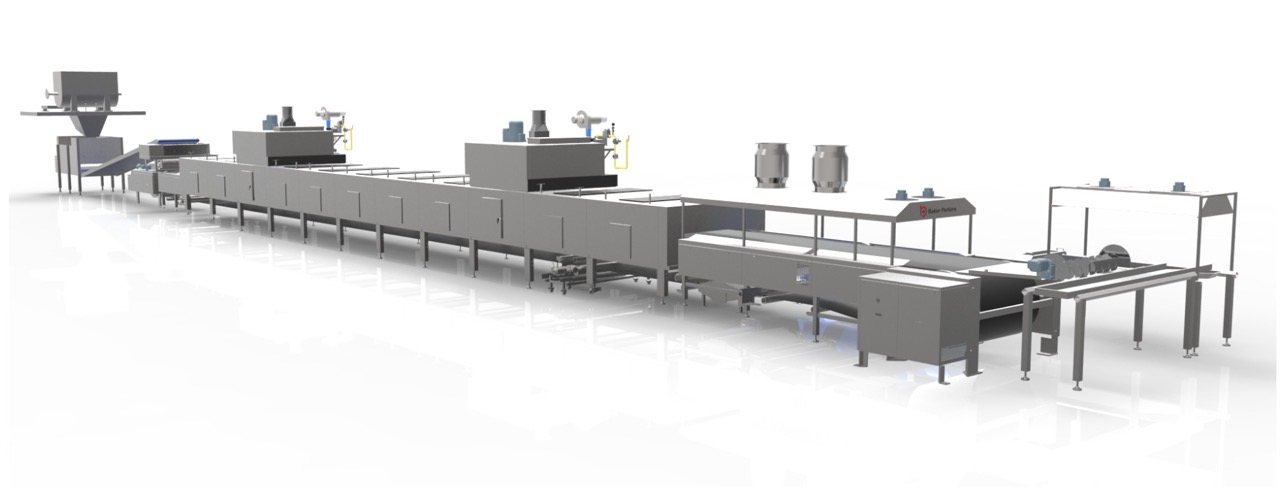
Coperion delivers complete process lines for crunchy granola bar manufacturing, covering every stage from mixing through to cutting and cooling. Designed to run as one continuous system, the line reduces manual handling and improves overall efficiency.
This integrated approach helps maintain a steady product flow and avoids common issues such as uneven thickness or inconsistent baking. With better control over forming, baking, and cutting, manufacturers can produce bars with consistent quality and texture while keeping waste to a minimum.
The technology brands behind our crunchy granola bar solutions




How crunchy granola bar production works
Ingredient handling
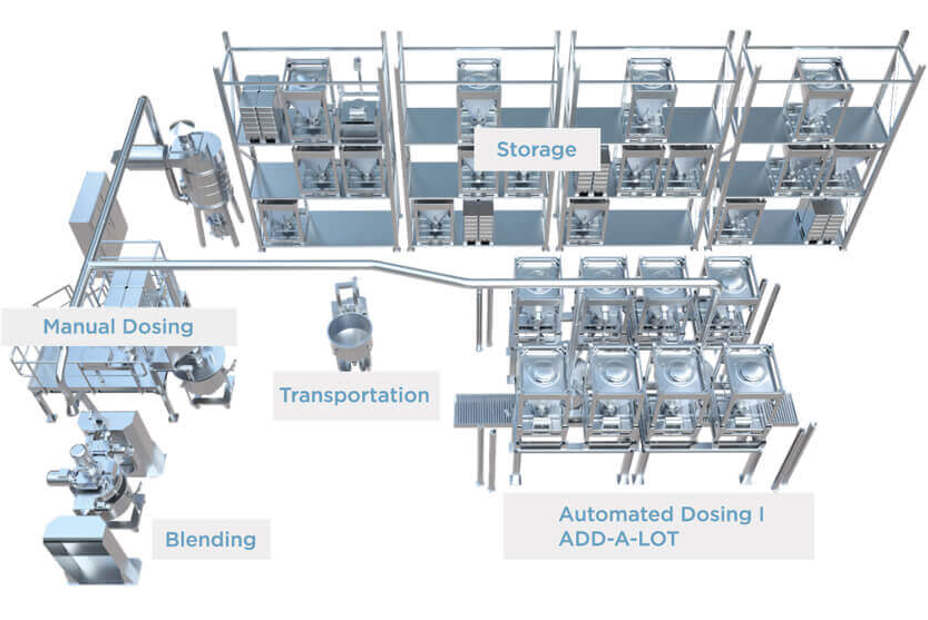
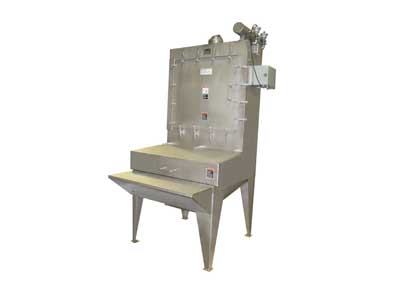
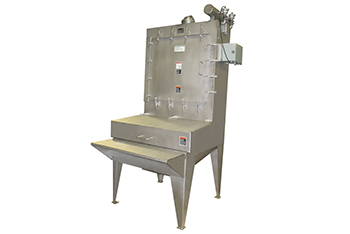
Shick Esteve Bag dump stations provide a safe, dust-free way to manually add dry ingredients.
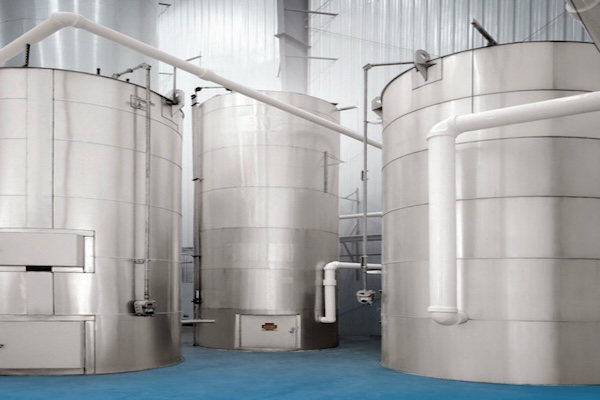
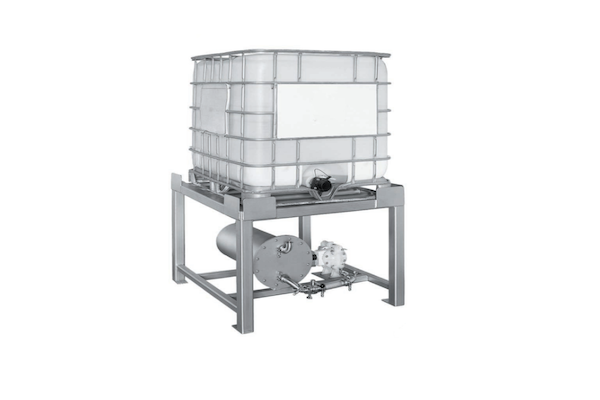
Liquid ingredients, such as glucose, are temporarily stored in our Shick Esteve Tank systems, or Tote systems, and then delivered through pumps.
Mixing
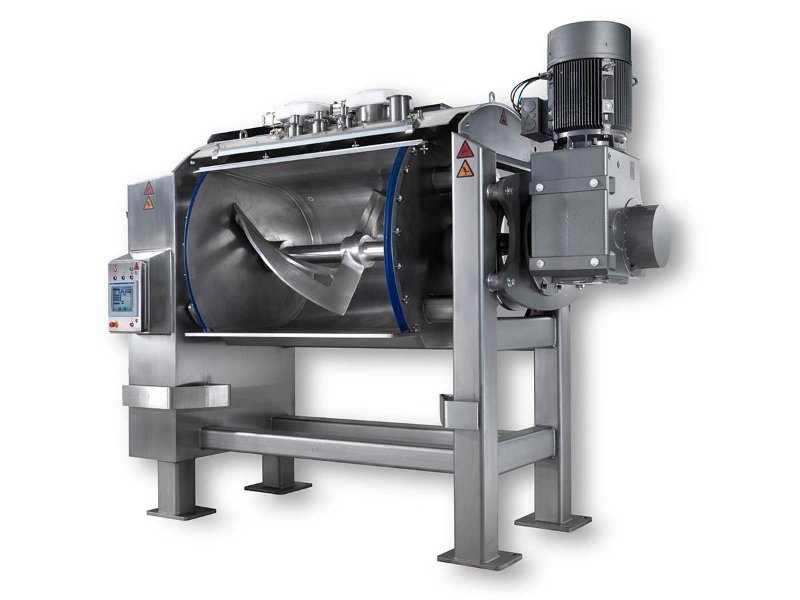
The process begins by combining oats, syrups, fats, and inclusions into a cohesive mass.
Consistent mixing is important to ensure proper binding and even distribution of ingredients throughout the product.
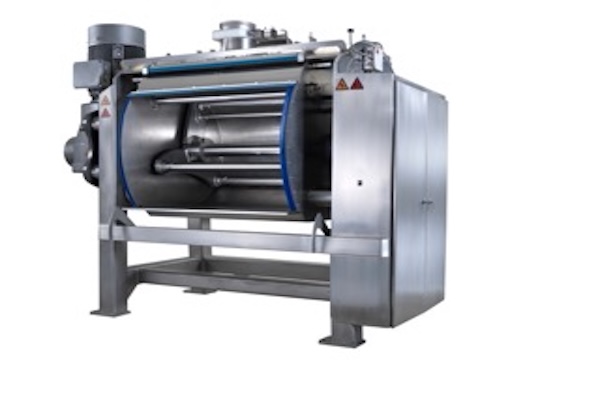
The Shaffer Single Sigma Arm mixer from Shaffer is designed to handle high-viscosity formulations, delivering a uniform mix while maintaining the integrity of inclusions.

Ingredient discharge
After mixing, the product is discharged into a Baker Perkins live bottom bin, where it is held and fed forward at a controlled rate. This helps maintain a consistent supply to the forming line and prevents surging or gaps in the process.
Feeding
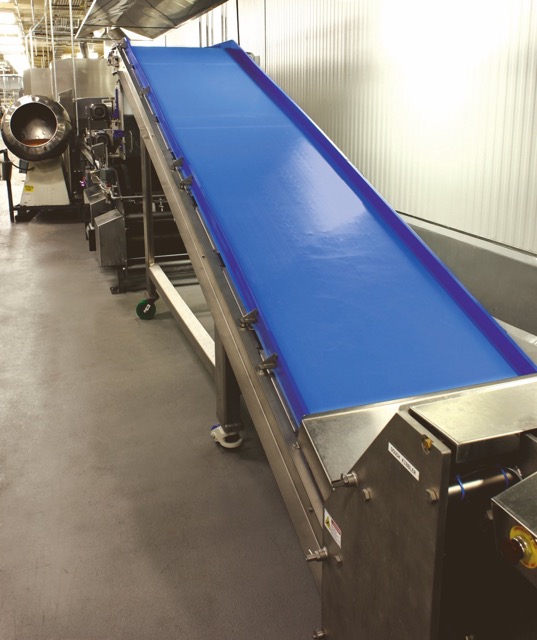
Once mixed, the product is transferred to the forming stage in a controlled and continuous flow. Maintaining consistency at this stage helps prevent variation in the final bar.
The Baker Perkins TruClean™ Power dough feeder regulates discharge from the mixer, while the Baker Perkins TruClean™ kibbling discharge conditions the mass for improved handling.
The Baker Perkins TruClean incline conveyor then transfers the product smoothly to the next stage.
Forming
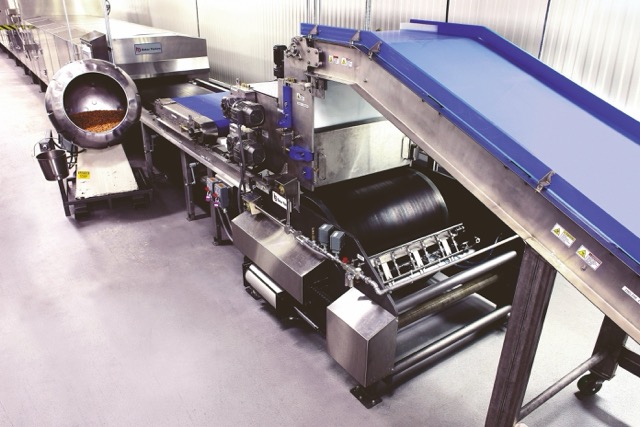
At this stage, the product is formed into a continuous slab with controlled thickness and density. This step is critical to ensure the bar holds together and delivers the desired texture.
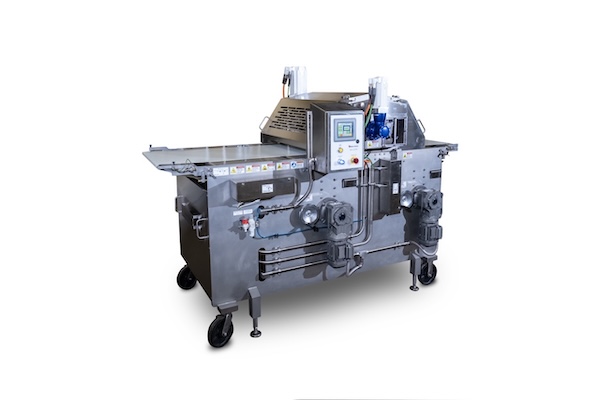
The Baker Perkins TruClean™ feeder/spreader comprises a hopper and contra-rotating feed rolls, which create a loose sheet of consistent thickness before further compression.
The sheet is then compacted using the Baker Perkins TruClean™ compression belt, while the Baker Perkins Compression roll provides final consolidation and gauges the sheet to the required thickness before entering the oven. The Baker Perkins TruClean™ edge guide maintains consistent width and alignment across the line.
TruBake HiCirc Oven
Baking & cooling
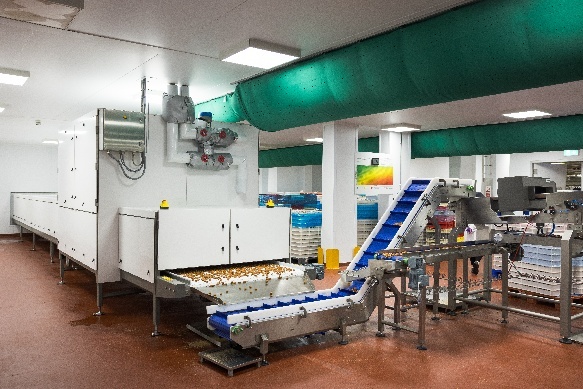
The formed slab is baked to develop the final structure and crunchy texture.
Consistent heat distribution is essential to achieve uniform color and moisture across the product.
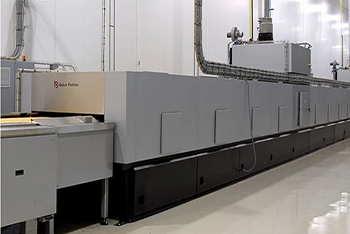
The Baker Perkins TruBake™ HiCirc oven provides controlled airflow and stable baking conditions, supporting consistent results across the full width of the slab.
After baking, the slab is cooled to stabilize the structure before further handling. This step allows the product to set, ensuring it is firm enough for accurate cutting and consistent final quality.
Controlled cooling helps prevent deformation and supports clean cutting, while maintaining the desired texture of the finished granola bars.
TruClean bar cutter
Cutting
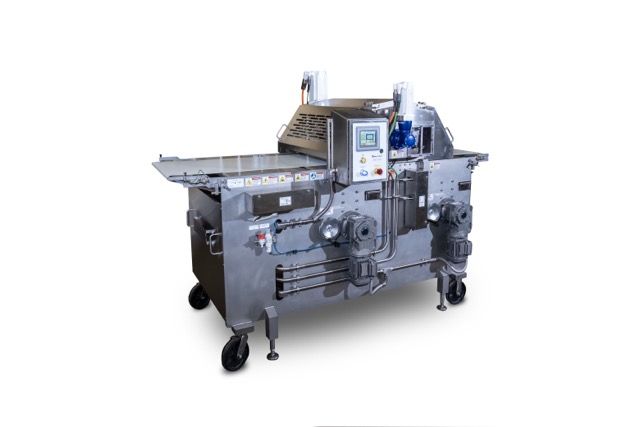
After cooling, the slab is cut into individual bars and prepared for downstream handling. Clean cutting and efficient scrap management help maintain product quality and yield.
The Baker Perkins TruBake™ bar cutter portions the slab, while the Baker Perkins TruClean™ scrap edge diverter removes edge trim. Scrap is transferred by the Baker Perkins TruClean™ cross scrap conveyor for rework, and final sizing is completed using the Baker Perkins TruClean™ single eccentric bar cutter to ensure consistent bar dimensions.
Option – Biscuit & granola rework
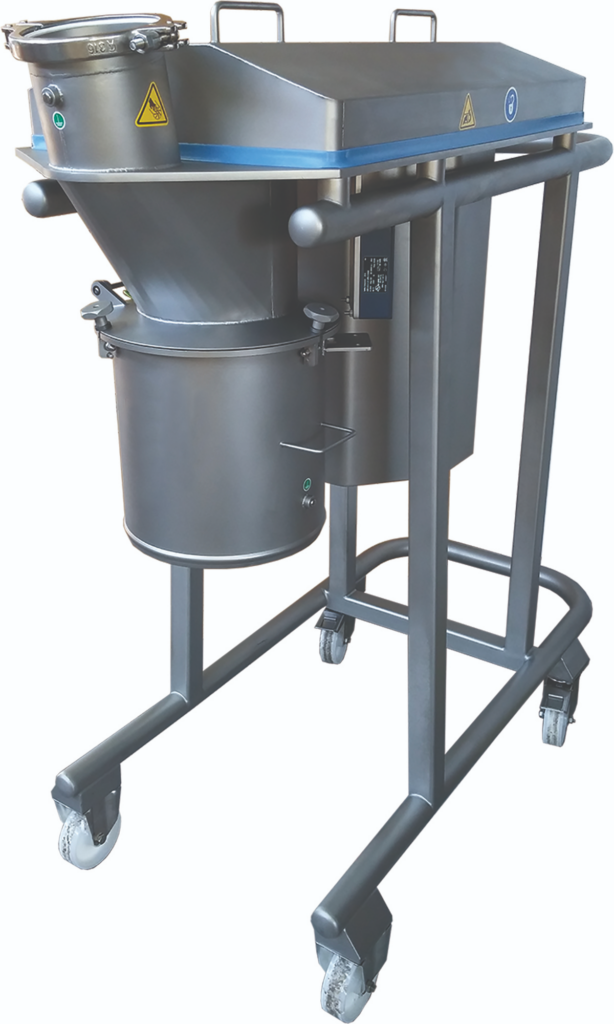
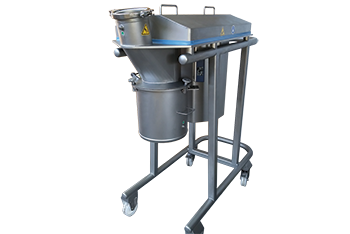
The biscuit & granola rework process uses a Kemutec KEK Cone Mill to recycle broken or rejected biscuits by milling them into uniform crumbs for reuse in production.
Related process technologies
Related applications
Get in touch
We take a distinctive approach to the processes that drive manufacturing. Let us know how we can help you achieve your goals for efficiency, productivity and safety.